

Ever clicked on a website that took forever to load and immediately hit the back button? You’re not alone—and Google notices that too. In today’s digital world, users expect instant results, and if your site doesn’t deliver, it can seriously hurt your traffic. Site speed isn’t just about convenience anymore—it’s a ranking factor that affects your SEO, bounce rates, and even your sales.
If your site feels sluggish, don’t panic. There are plenty of ways to boost performance without rebuilding from scratch. Let’s break down how speed affects your SEO and what you can do to fix it.
Google Uses Site Speed as a Ranking Factor
Google’s goal is to give users the best experience possible, and that includes how fast a page loads. Since 2010 for desktop and 2018 for mobile, page speed has been a confirmed ranking factor. If your site is slow, it could be pushed down in search results—especially if competitors offer similar content that loads faster. In short, speed can directly affect how visible your site is on search engines.
Slow Pages Kill User Experience
SEO isn’t just about pleasing algorithms—it’s about real people, too. A slow website frustrates users and increases the chances they’ll leave before they even see your content. Studies show that if a page takes more than three seconds to load, over half of users will bounce. That’s a huge lost opportunity. On the flip side, a fast site keeps visitors engaged and encourages them to stick around longer, which can improve SEO signals like dwell time and click-through rates.
Mobile Speed Matters Even More

With mobile traffic now dominating the internet, Google has moved to mobile-first indexing—meaning it mostly uses the mobile version of your site to determine rankings. That makes mobile site speed more critical than ever. If your desktop site loads quickly but your mobile site lags, you’re still at risk of losing both rankings and visitors. A fast, mobile-friendly site is no longer optional—it’s essential.
Poor Speed Can Lower Conversion Rates
Even if you’re ranking well, a slow site can cost you money. Whether you’re running an online store or collecting email signups, slow load times drastically lower conversion rates. Every second of delay adds friction to the user journey. Speeding up your site doesn’t just help with SEO—it directly improves your bottom line by keeping users engaged and moving through your funnel.
Tools That Help You Measure Site Speed

Before you can fix a slow site, you need to know where the problems are. Luckily, there are plenty of free tools to help. Google’s PageSpeed Insights, GTmetrix, and WebPageTest can show you how fast your site loads and highlight areas for improvement. These tools break down everything from image sizes to server response times, so you know exactly what to tweak.
Quick Fixes to Improve Site Speed
The good news? You don’t have to be a web developer to make meaningful improvements. Compressing images, using lazy loading, enabling browser caching, and switching to a faster web host can all make a big difference. If you’re using WordPress, consider lightweight themes and performance plugins like WP Rocket or W3 Total Cache. Even cleaning up unused scripts and plugins can shave off precious load time.
Site speed might not be the flashiest part of SEO, but it’s one of the most important. A fast site improves your rankings, keeps users happy, and drives better results across the board. The best part? You don’t need a complete overhaul to make progress. Start with the basics, run a few tests, and make small, consistent improvements. Google—and your visitors—will thank you.…


 Search engine optimization is a well-known concept that can help improve how a site is ranked. One of the biggest things you should do to benefit from SEO is make sure your keywords are included in the title, description, and content for each page on your website.
 Some people also hire a Tampa SEO company for more aggressive marketing. These services offer things like backlinking, content creation, and forum posting as ways to improve their site’s visibility on the web.
 Everything is digitalized now; even old established businesses are going online now in an effort to gain more customers. If you are a Tampa SEO company and your business is not online, you will lose a lot of potential customers who are looking for what you have to offer.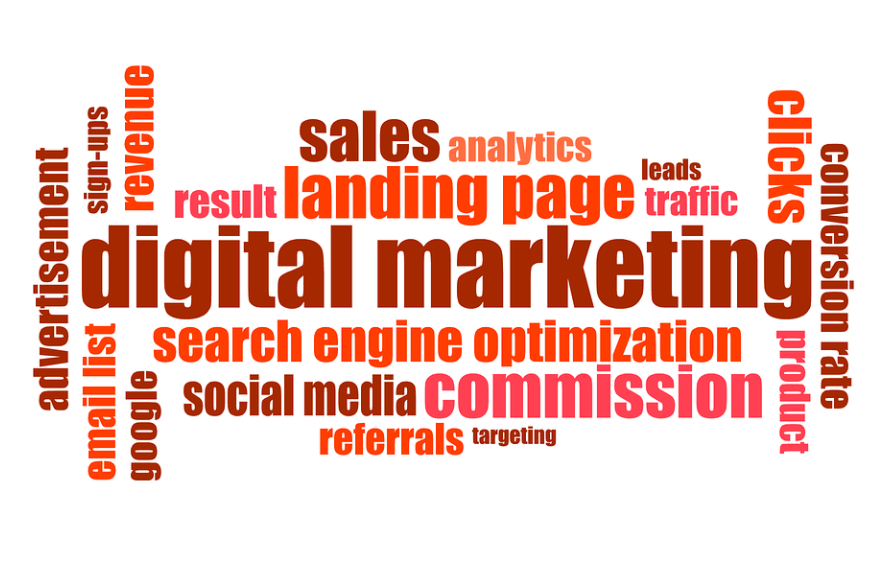
 From big companies to a simple retail store, all have websites now. Or if not, they have joined themselves with an e-commerce platform that does the design form them. But not all sites were created equal. Some have an overly-complicated design, detailing too much on unnecessary decorations. Eccentricity is dangerous to play with when it deals with website design because once a customer is uncomfortable with the color tone, they will be least likely to go back or to promote the site.
 Having a site alone is not enough because you have to promote it. And your site’s reputation is nurtured rather than blown-up for momentary high traffic. Black-hat SEO-ing will do the trick for the latter purpose, but you will be at the risk of screened away by the search engine algorithm and banned. Nurture your site’s reputation by doing the right things. Respond to the incoming customer inquiries, be active and disciplined with your site’s content, and invest in organic SEO to bring your site to the front pages. They can be termed as passive marketing, a subtle strategy to gain a reputation of which the aim is to gain the maximum profits.
 For the active marketing, the audio-visual marketing campaign has been proven to be the most effective. Having a communicative and unique video also has the chance of being viral, which will benefit your company sales.
 This step is to improve the efficiency of having a site. SEO-ing is one way to expand your company’s reach. But there is an alternative to that, which is setting up a company profile on social media.